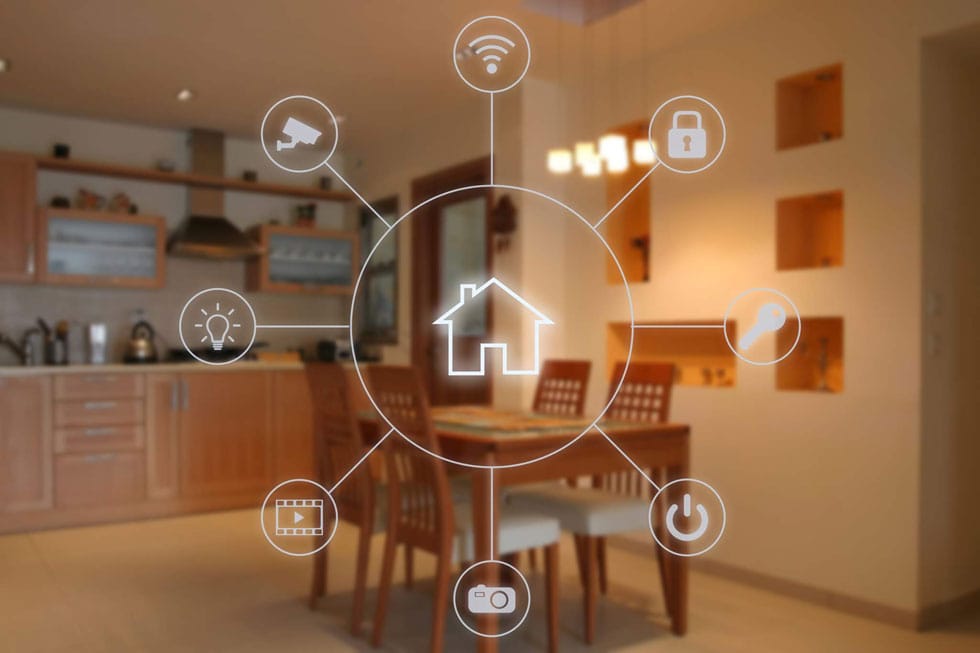
The concept of a smart home has evolved from a futuristic fantasy into a tangible reality. Once limited to a few standalone devices like smart speakers and thermostats, the modern smart home is a complex, interconnected ecosystem that learns, adapts, and anticipates the needs of its inhabitants. This article provides a comprehensive and in-depth exploration of the future of home automation, moving beyond simple voice commands to a world of predictive AI, seamless integration, and unparalleled efficiency. We will delve into the technologies that are driving this revolution, from advanced sensors and machine learning to the integration of biometric data and sustainable energy management. Our goal is to provide a detailed, authoritative guide for homeowners, tech enthusiasts, and industry professionals alike, offering a glimpse into a future where our homes are not just structures, but intelligent partners in our daily lives. The global smart home market is projected to reach unprecedented valuations, underscoring the immense consumer interest and the rapid pace of innovation. This article will not only highlight the trends but also explain the underlying principles that make them so groundbreaking, giving you a solid foundation for understanding the next wave of home automation.
A. The Rise of Predictive and Proactive AI
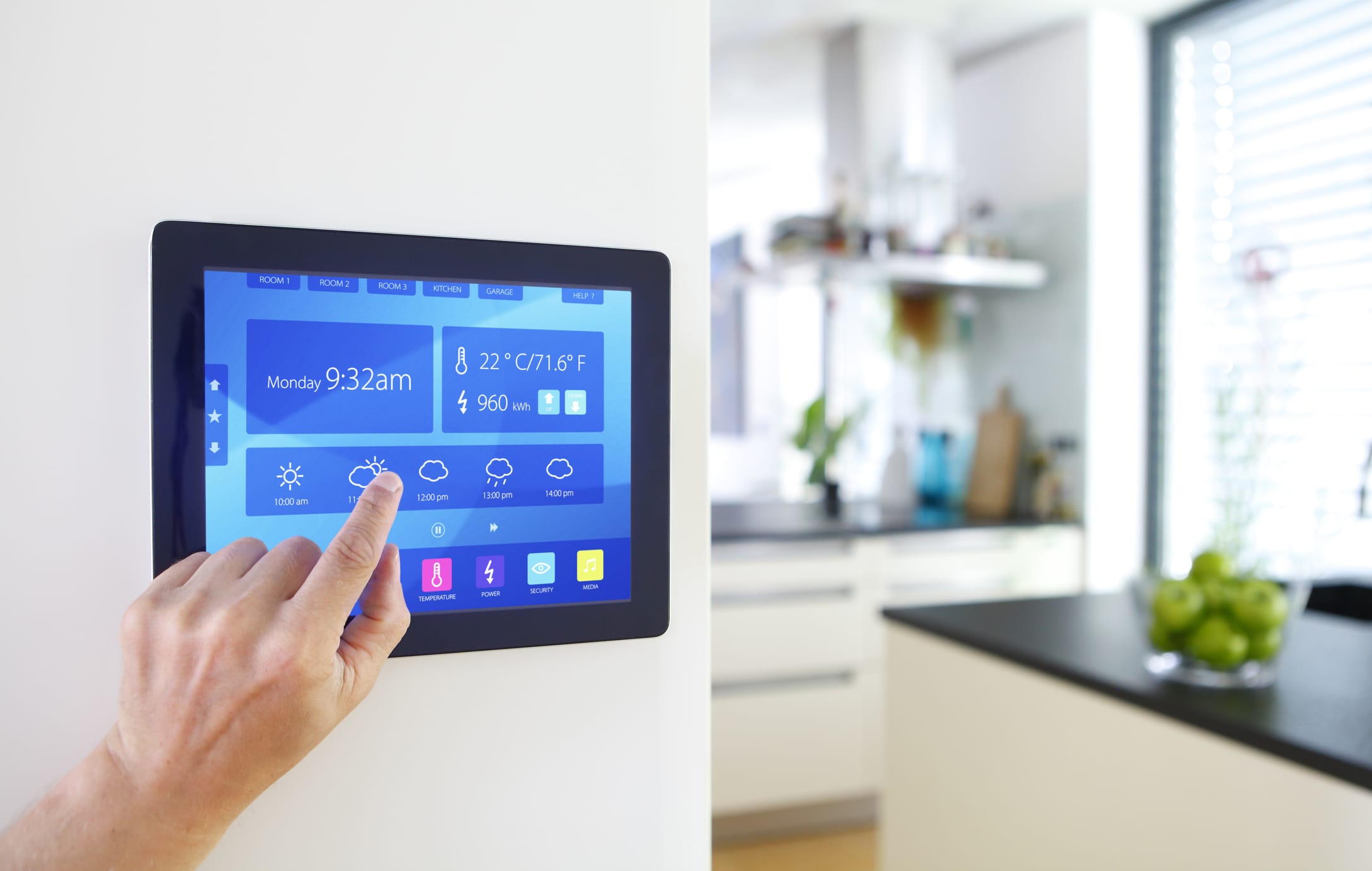
The first generation of smart homes was largely reactive, relying on users to issue commands. The next wave is defined by a shift to proactive and predictive AI. These systems use machine learning to analyze user habits and environmental data, anticipating needs before they are even articulated.
A.1. AI-Powered Personal Assistants
Forget simple voice commands. The next generation of smart assistants, like the hypothetical “HomeOS AI,” will be a centralized intelligence for the entire house. It will learn your daily routines, your family’s schedules, and your personal preferences with incredible accuracy.
- Anticipatory Climate Control: The AI will learn your preferred temperature at different times of the day. For example, it will automatically lower the thermostat 30 minutes before you typically go to sleep and raise it just before your alarm goes off. It will also take into account weather forecasts, adjusting the heating or cooling to optimize energy consumption.
- Contextual Lighting: The system will know when you are in a room and what you are doing. If you sit down to read, it will dim the overhead lights and turn on a nearby reading lamp. If you’re watching a movie, it will set the lighting to a cinematic ambience and close the smart blinds. This is all done seamlessly, without any voice commands or app interactions.
- Intuitive Security: The AI will learn the “normal” patterns of your home. It will recognize family members’ faces and vehicles. If an unfamiliar car pulls into the driveway or an unexpected visitor approaches the front door, the AI will send an alert, initiate a live video feed, and even activate a two-way audio system. It will be able to differentiate between a family pet, a delivery person, and a potential threat, reducing false alarms.
A.2. Biometric Integration
Future smart homes will use biometric data to provide a truly personalized and secure experience.
- Facial Recognition Entry: Your front door will be equipped with a camera that uses facial recognition to unlock for family members and authorized visitors. This eliminates the need for keys or passcodes and provides a detailed log of who has entered and left the house.
- Personalized Environments: Imagine walking into a room, and the lighting, temperature, and even the music automatically adjust to your personal preferences. Biometric sensors in a smartwatch or a smart ring could signal your presence and mood, triggering a personalized environment just for you.
B. Seamless Integration and Interoperability
One of the biggest hurdles for current smart homes is the lack of seamless integration between devices from different manufacturers. The future is focused on a unified, universal standard.
B.1. Matter and Beyond: The Universal Language
The emergence of standards like Matter is a huge step forward. Matter is an open-source connectivity standard that allows smart home devices from different brands to work together seamlessly. This means a Philips Hue lightbulb can be controlled by a Google Nest Hub and a Samsung SmartThings hub simultaneously. The future will see this standard become universal, eliminating the need for separate apps for every single device. This will create a truly cohesive and user-friendly smart home ecosystem, where devices from different manufacturers can communicate effortlessly.
B.2. Automated Device Synchronization
In the future, a smart home won’t just be a collection of smart devices; it will be a single, unified entity.
- Shared Data and Automation: All your smart devices—from your refrigerator to your security cameras—will be able to share data. For example, your smart refrigerator could detect that you are low on milk and automatically add it to your shopping list on your smart assistant’s app. If your smart oven is left on, your home’s central AI will automatically turn it off if it detects no one is in the house.
- Integrated Health Monitoring: Your smart home will be able to monitor the health of your appliances. It could send an alert if a washing machine is using more energy than usual, indicating a potential malfunction, or if your HVAC system’s filter needs to be replaced, helping you perform proactive maintenance and save on repair costs.
C. Sustainable and Eco-Conscious Homes
The future of home automation is intrinsically linked to energy efficiency and sustainability. Smart homes will play a critical role in reducing our environmental footprint.
C.1. Smart Energy Management
Homes of the future will be actively managed to optimize energy consumption.
- Real-Time Energy Monitoring: Your smart meter will provide real-time data on how much energy each appliance is consuming. The home’s central AI will analyze this data and make recommendations to reduce your energy bill. It could suggest running the dishwasher at night when electricity rates are lower or automatically adjusting your thermostat during peak hours.
- Integration with Renewable Energy: Smart homes will seamlessly integrate with solar panels, smart batteries, and even electric vehicle (EV) chargers. The system will prioritize using solar energy during the day to power the house and charge the EV, and switch to grid power at night when rates are lower. It could also sell excess energy back to the grid, turning your home into a micro-power plant.
C.2. Water and Waste Management
Beyond just electricity, smart homes will help conserve water and manage waste more efficiently.
- Smart Irrigation: Smart sprinklers will use local weather data and soil moisture sensors to water your lawn only when it’s necessary, preventing water waste.
- Automated Waste Sorting: Smart bins will use sensors and robotics to automatically sort your trash, recycling, and compost, making waste management a simple, hands-off process. The system could also send alerts when the bins are full, ensuring timely collection.
D. Enhanced Security and Safety
The future of home security goes beyond traditional alarms to a multi-layered, intelligent defense system.
D.1. Holistic Security Systems
Future security systems will use a combination of technologies to provide a comprehensive view of your home’s security.
- AI-Powered Cameras and Drones: Cameras will be able to analyze behavior and predict potential threats. They will be able to track a person’s movements and even communicate with other smart devices, like locking all doors or turning on all lights if an intruder is detected. Miniature, autonomous indoor drones could be used to patrol the inside of a house when no one is home, providing an additional layer of security.
- Smart Locks and Keys: Smart locks will become more secure, using biometric authentication and encrypted digital keys. They could also be integrated with your home’s security system to automatically lock when you leave and unlock when you return.
D.2. Health and Safety Monitoring
Smart homes will also be able to monitor for health and safety risks.
- Air Quality and Pollution Monitoring: Sensors will constantly monitor for indoor air pollutants, such as volatile organic compounds (VOCs) and carbon monoxide, and automatically activate air purifiers or ventilation systems when a threat is detected.
- Fall Detection and Emergency Alerts: For elderly residents, the home could use sensors to detect falls and automatically alert family members or emergency services, providing a critical layer of safety and peace of mind.
Conclusion
The future of home automation is a world where our houses are not just passive shelters, but intelligent, responsive ecosystems that anticipate our every need. This is a future built on a foundation of proactive and predictive AI, where devices learn our habits and routines to create a truly personalized and effortless living experience. The seamless integration enabled by universal standards like Matter will finally break down the silos between different brands, creating a cohesive and intuitive smart home. Furthermore, these future homes will be intrinsically linked to sustainability, with smart energy, water, and waste management systems playing a crucial role in reducing our environmental footprint. Security will be multi-layered and intelligent, using biometrics and AI to provide unparalleled peace of mind.
This evolution is a testament to the power of technology to simplify and enhance our lives. As our homes become more connected, they become more than just buildings; they become partners in our well-being and productivity. The journey is ongoing, and while there will be challenges to overcome, such as data privacy concerns and the cost of new technologies, the trajectory is clear. The smart home of tomorrow will be a place of unparalleled comfort, efficiency, and security, creating a living experience that is both luxurious and responsible. It’s a future that promises to revolutionize the way we interact with our environment, turning the once-static home into a dynamic and intelligent entity that works tirelessly to improve our quality of life. The future is here, and it’s smarter than ever before.