
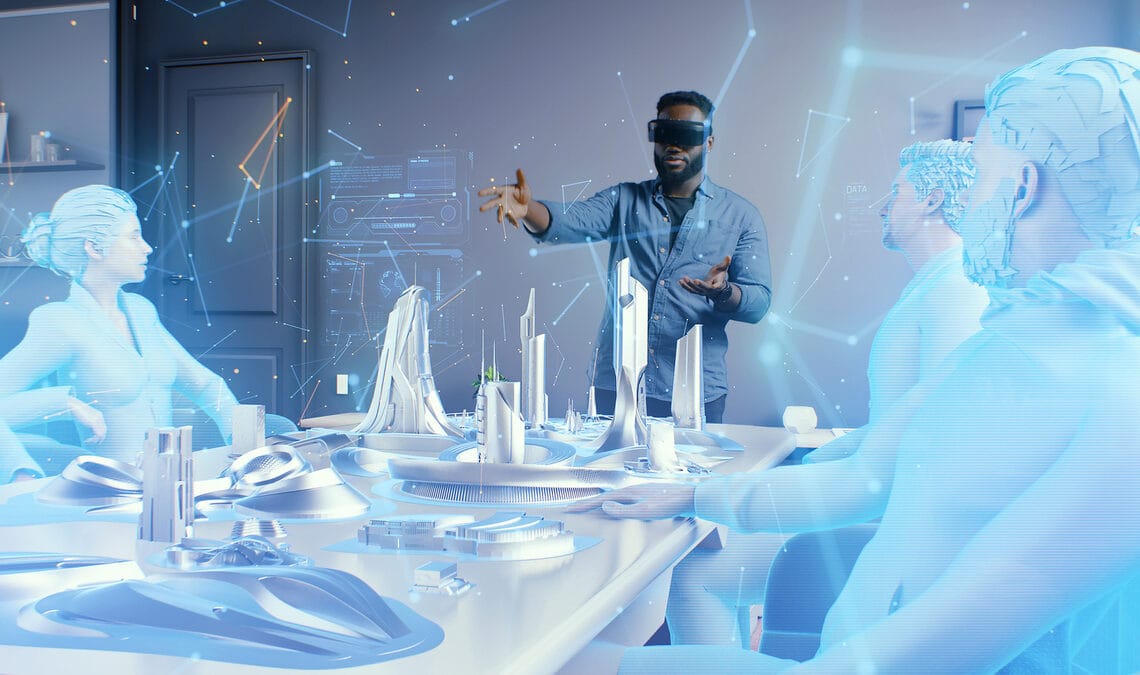
The metaverse is no longer just a buzzword; it’s rapidly emerging as the next frontier of human interaction, digital commerce, and immersive experiences. Far beyond simple virtual reality, the metaverse promises a persistent, interconnected, and interactive digital universe where individuals can work, play, socialize, and create, blurring the lines between the physical and virtual worlds. This comprehensive article delves into the profound implications of the metaverse, exploring its foundational technologies, diverse applications across various sectors, the immense potential for Google AdSense and SEO search engine strategies, and the critical challenges that accompany this revolutionary shift.
Understanding the Fabric of the Metaverse
At its core, the metaverse isn’t a single platform or a proprietary product but rather a conceptual framework for a collective, shared virtual space. Think of it as the internet, but experienced in 3D and in real-time. Key characteristics define this evolving digital realm:
- Persistence: Unlike a video game that ends when you log off, the metaverse continues to exist and evolve, even when you’re not in it. Your creations, purchases, and relationships remain.
- Interoperability: Ideally, assets, avatars, and experiences should seamlessly move between different metaverse platforms. This means a digital shirt bought in one virtual world could be worn by your avatar in another. While still largely aspirational, this is a core goal.
- Presence: Users experience a strong sense of “being there” within the virtual environment, often facilitated by Virtual Reality (VR) and Augmented Reality (AR) technologies.
- Economy: The metaverse will host a thriving digital economy, powered by cryptocurrencies, Non-Fungible Tokens (NFTs), and traditional payment methods, enabling the buying, selling, and trading of virtual goods and services.
- User-Generated Content: A significant portion of the metaverse’s value and experience will come from content created by its users, from virtual buildings and games to fashion and art.
A. Foundational Technologies Powering the Metaverse
The metaverse’s emergence relies on the convergence of several advanced technologies, each playing a crucial role in its development and functionality.
- Virtual Reality (VR): VR provides fully immersive experiences, transporting users into digital environments. VR headsets like the Meta Quest, Pico Neo, and upcoming Apple Vision Pro are gateways to these worlds, offering a high sense of presence. Developments in haptic feedback suits and omnidirectional treadmills further enhance this immersion, allowing users to feel and move within the virtual space.
- Augmented Reality (AR): AR overlays digital information onto the real world, enhancing our perception of reality rather than replacing it. Think of Pokémon GO or Snapchat filters. AR glasses and smartphone AR apps are becoming increasingly sophisticated, blending digital content with our physical surroundings. This technology has immense potential for retail, education, and maintenance.
- Blockchain Technology: Blockchain is foundational for the metaverse’s economic and ownership structures. It enables:
- Non-Fungible Tokens (NFTs): NFTs provide verifiable digital ownership of unique assets, from virtual land and avatars to digital art and collectibles. This ensures scarcity and authenticity in the metaverse.
- Cryptocurrencies: Digital currencies like Ethereum or Bitcoin, often built on blockchain, facilitate secure and transparent transactions within the metaverse economy.
- Decentralized Autonomous Organizations (DAOs): DAOs can govern metaverse platforms, allowing communities of users to collectively make decisions about the platform’s future, promoting a more democratic and user-driven environment.
- Artificial Intelligence (AI): AI enhances metaverse experiences by:
- Populating virtual worlds: AI-driven NPCs (Non-Player Characters) can make virtual worlds feel more alive and interactive.
- Personalizing experiences: AI can tailor content, recommendations, and interactions based on user behavior and preferences.
- Generating content: Generative AI can assist users in creating virtual objects, environments, and even storylines.
- Enhancing avatars: AI can power more realistic and expressive avatars, responding to user emotions and gestures.
- High-Speed Connectivity (5G/6G): Low latency and high bandwidth are essential for seamless, real-time interactions in the metaverse. 5G and future 6G networks will be crucial for delivering the massive amounts of data required for rich, synchronized virtual experiences.
- Edge Computing: Processing data closer to the user (at the “edge” of the network) reduces lag and improves responsiveness, which is vital for immersive, real-time metaverse applications. This minimizes the need to send all data to distant cloud servers.
- 3D Reconstruction and Modeling: The ability to rapidly create and render highly detailed 3D models of objects, environments, and even real-world locations is fundamental to building compelling metaverse experiences. This involves technologies like photogrammetry, lidar scanning, and sophisticated 3D design software.
The Metaverse’s Transformative Impact Across Industries
The conceptual metaverse is rapidly taking shape, with tangible applications emerging across a wide array of sectors, each poised for significant disruption and innovation.
A. Retail and E-commerce
The retail landscape is undergoing a radical transformation as the metaverse offers new avenues for customer engagement, product presentation, and digital commerce.
- Immersive Shopping Experiences: Brands are creating virtual storefronts where customers can “walk in,” browse 3D product models, try on digital clothing with their avatars, and interact with virtual sales assistants. This provides a richer, more engaging shopping experience than traditional 2D e-commerce sites. Imagine trying on a virtual jacket that accurately drapes on your avatar before making a physical purchase.
- Digital Fashion and Wearables: A thriving market for digital fashion is emerging, where users can purchase unique outfits, accessories, and skins for their avatars. These NFT-backed items offer a new form of self-expression and status within the metaverse. High-fashion brands are already launching digital collections.
- Virtual Product Launches and Events: Companies can host virtual product launches, fashion shows, and pop-up shops in the metaverse, reaching a global audience without geographical limitations. These events often include interactive elements, exclusive digital collectibles, and opportunities to connect with brand representatives.
- Enhanced Product Visualization: AR technology allows customers to virtually place 3D models of furniture, appliances, or even cars in their homes before making a purchase, reducing returns and improving customer satisfaction.
- New Revenue Streams: Retailers can generate revenue not only from physical goods but also from selling digital versions of their products, virtual land within their brand experiences, and access to exclusive metaverse events. The integration of cryptocurrencies and NFTs streamlines these transactions.
B. Entertainment and Gaming
Gaming platforms are often considered the earliest iterations of the metaverse, and this sector continues to drive innovation, offering unprecedented levels of immersion and interaction.
- Massively Multiplayer Online (MMO) Experiences: Current MMO games like Roblox, Fortnite, and Decentraland are evolving into metaverse-like platforms, offering social spaces, user-generated content, and in-game economies. Users can attend virtual concerts, build their own worlds, and participate in complex narratives.
- Interactive Concerts and Events: Musicians and artists are hosting virtual concerts and performances within metaverse platforms, allowing millions of fans worldwide to attend simultaneously, interact with each other, and experience unique digital spectacles. These events often incorporate special effects, avatar customization, and exclusive merchandise.
- Virtual Theme Parks and Attractions: Digital versions of theme parks, museums, and historical sites are being created, offering immersive educational and entertainment experiences accessible from anywhere. Users can explore ancient ruins, ride virtual rollercoasters, or tour art galleries with friends.
- Esports and Competitive Gaming: The metaverse provides new arenas for competitive gaming, with virtual stadiums, unique in-game assets, and enhanced spectator experiences. NFTs can represent championship trophies or exclusive player skins, adding real-world value to digital achievements.
- User-Generated Worlds and Content: Players are no longer just consumers but creators, building their own games, experiences, and digital assets within metaverse platforms, fostering a vibrant ecosystem of creativity and innovation. This democratizes content creation and empowers a new generation of digital artists and developers.
C. Education and Training
The metaverse holds immense promise for revolutionizing education, making learning more engaging, accessible, and personalized.
- Immersive Classrooms and Field Trips: Students can attend virtual classes from anywhere in the world, participate in interactive simulations, and embark on virtual field trips to historical sites, distant planets, or even inside the human body. This allows for experiential learning that transcends physical limitations.
- Hands-On Skill Training: Industries can leverage the metaverse for highly realistic and safe training simulations. Surgeons can practice complex procedures in a virtual operating room, engineers can virtually dismantle and reassemble machinery, and pilots can train in highly accurate flight simulators. This reduces costs and risks associated with real-world training.
- Personalized Learning Paths: AI-powered systems within the metaverse can adapt learning content and pace to individual student needs, providing personalized feedback and guiding them through tailored educational journeys.
- Collaborative Learning Spaces: Students and educators from across the globe can come together in shared virtual spaces to collaborate on projects, conduct experiments, and engage in discussions, fostering a truly global learning community.
- Skill Development for the Digital Economy: The metaverse itself creates new job roles (e.g., metaverse architects, digital fashion designers, virtual event managers), and education in these virtual environments can directly train individuals for the jobs of the future.
D. Work and Collaboration
The metaverse offers a compelling vision for the future of work, enhancing remote collaboration and creating new types of digital workplaces.
- Virtual Offices and Meeting Spaces: Companies are establishing persistent virtual offices where employees can gather, collaborate on projects, and hold meetings in immersive 3D environments, fostering a greater sense of presence and connection than traditional video calls. This can reduce travel costs and environmental impact.
- Immersive Presentations and Training: Presentations can be more engaging with 3D models, interactive diagrams, and virtual environments. Training sessions can take place in realistic simulations, allowing employees to practice skills in a safe and controlled setting.
- Digital Twin Technology: In industrial settings, digital twins – virtual replicas of physical assets – can be used in the metaverse for remote monitoring, predictive maintenance, and collaborative design, allowing engineers to interact with and optimize complex systems from anywhere.
- New Business Models: The metaverse enables entirely new business models, from virtual real estate agencies and event management companies to avatar customization services and digital asset brokers.
- Global Collaboration: Teams distributed across different continents can work together seamlessly in shared virtual workspaces, breaking down geographical barriers and fostering a more inclusive and diverse workforce.
E. Healthcare
The healthcare sector stands to benefit significantly from the metaverse, offering new frontiers in remote care, training, and therapeutic interventions.
- Immersive Telemedicine: Patients can consult with doctors in virtual clinics, where 3D models of organs or conditions can be used to explain diagnoses and treatment plans more effectively. Remote diagnostic tools integrated into VR/AR can further enhance these consultations.
- Surgical Training and Planning: Surgeons can practice complex procedures in highly realistic virtual operating rooms, refining their skills and planning intricate operations with greater precision, reducing risks to real patients.
- Digital Therapeutics: VR/AR applications can be used to treat mental health conditions (e.g., phobias, PTSD), manage chronic pain, and assist in rehabilitation. Patients can engage in therapeutic exercises in controlled virtual environments.
- Medical Education: Medical students can explore human anatomy in 3D, simulate medical emergencies, and practice patient interactions in immersive virtual environments, enhancing their understanding and practical skills.
- Patient Engagement and Support: VR can offer calming environments for patients, reduce anxiety before procedures, and provide educational content in an engaging format. Support groups can meet in private virtual spaces, offering anonymity and accessibility.
Monetization and Marketing in the Metaverse
The metaverse presents an unprecedented landscape for monetization and digital marketing, fundamentally altering how businesses reach consumers and generate revenue. For content creators and businesses focused on Google AdSense and SEO search engine strategies, understanding these shifts is paramount.
A. New Advertising Paradigms
Traditional advertising models will evolve and expand within the metaverse.
- Immersive Ad Experiences: Forget banner ads; imagine walking into a virtual store within the metaverse and seeing a 3D advertisement for a product that dynamically interacts with your avatar. Ads will become experiential, integrated into the environment, and potentially interactive.
- In-World Product Placement: Brands will pay for their products to appear naturally within metaverse games, experiences, and virtual environments. A virtual soda machine bearing a real-world brand logo, or an avatar wearing branded digital sneakers, are examples.
- Sponsored Virtual Events: Companies can sponsor virtual concerts, festivals, or conferences, gaining exposure through branded virtual spaces, exclusive content, and digital merchandise distribution.
- NFT-Based Advertising: NFTs can be used as promotional tools, offering exclusive digital collectibles linked to brand campaigns, or providing access to special metaverse experiences. Owning a brand’s NFT could unlock discounts in their virtual store.
- Programmatic Advertising in 3D: While nascent, the potential for programmatic ad buying to extend into 3D virtual spaces, targeting users based on their metaverse behavior and preferences, is immense. This will require new metrics and tracking capabilities.
B. SEO for the Metaverse
Just as websites are optimized for search engines, metaverse experiences, digital assets, and virtual locations will need a new form of SEO to ensure discoverability.
- Virtual World Indexing: Search engines will likely evolve to index not just web pages but also virtual spaces, individual objects, and user-generated content within the metaverse. This could involve “crawling” 3D environments.
- Keyword Optimization for Virtual Assets: Digital assets (NFTs, avatars, virtual clothing) will need descriptive metadata and keywords to be found by users searching for specific items within metaverse marketplaces or virtual worlds.
- Location-Based SEO in the Metaverse: Just as physical businesses optimize for local search, virtual businesses and experiences will optimize for discoverability within specific virtual locations or neighborhoods.
- Reputation and Engagement Metrics: Metaverse SEO will likely consider factors beyond backlinks, such as user engagement within a virtual space (dwell time, interactions), positive user reviews, and the virality of shared digital assets.
- Cross-Platform Interoperability and Linking: The ability for assets and experiences to move between platforms will be crucial for broader reach and discoverability. A strong “metaverse presence” might involve linking across multiple virtual worlds.
- Voice Search Optimization for Virtual Assistants: As voice interfaces become more prevalent in the metaverse, optimizing content for conversational queries will be essential for user discovery.
- Content Creator SEO: Creators building experiences or assets within metaverse platforms will need to apply SEO principles to ensure their creations are found by relevant users, driving traffic and potential monetization.
C. AdSense in the Metaverse
While the direct implementation of Google AdSense as we know it might evolve, the underlying principles of contextual advertising and content monetization will almost certainly apply.
- In-World Contextual Ads: Imagine avatars seeing ads relevant to their virtual environment or activity. If you’re in a virtual art gallery, AdSense-like algorithms could display ads for art supplies, digital frames, or upcoming virtual exhibitions.
- Rewarded Engagement: Users might opt-in to view certain ads in exchange for in-metaverse currency, exclusive NFTs, or access to premium content. This moves beyond passive viewing to active engagement.
- Micro-Transactions and Creator Monetization: AdSense could facilitate revenue sharing for creators who build popular virtual experiences that attract eyeballs. Just as web creators earn from ads on their sites, metaverse creators could earn from ads within their virtual worlds.
- Native Integrations: AdSense could power native integrations where virtual objects or services sponsored by advertisers appear seamlessly within the metaverse experience, designed to look like a natural part of the environment rather than a disruptive ad.
- Analytics for Advertiser Insights: The metaverse will generate vast amounts of user behavior data, which AdSense-like platforms can leverage to provide highly granular insights to advertisers, enabling more effective targeting and campaign optimization.
Conclusion
The metaverse represents a monumental leap in how we interact with technology and with each other. It’s more than just a technological advancement; it’s a fundamental shift in our digital reality, promising a future of unparalleled immersion, connectivity, and economic opportunity. From transforming how we shop, play, and learn to redefining the very nature of work and social interaction, the metaverse is set to revolutionize nearly every aspect of our lives.
For businesses and content creators, understanding and adapting to this evolving landscape is no longer optional but essential. The opportunities for innovative advertising, immersive brand experiences, and new forms of content monetization, particularly through refined SEO search engine strategies and evolved Google AdSense models, are immense.
However, the path to a universally accessible and beneficial metaverse requires careful navigation. Addressing the technical challenges of scalability and interoperability, alongside the critical ethical considerations of privacy, digital well-being, and equitable access, will determine its ultimate success. By fostering collaboration between technology developers, policymakers, ethicists, and the global community, we can shape a metaverse that truly enhances human experience and creates a more connected, inclusive, and innovative digital future. The metaverse is not just redefining reality; it’s inviting us to actively participate in its creation.