
Introduction: The Next Frontier of Digital Commerce
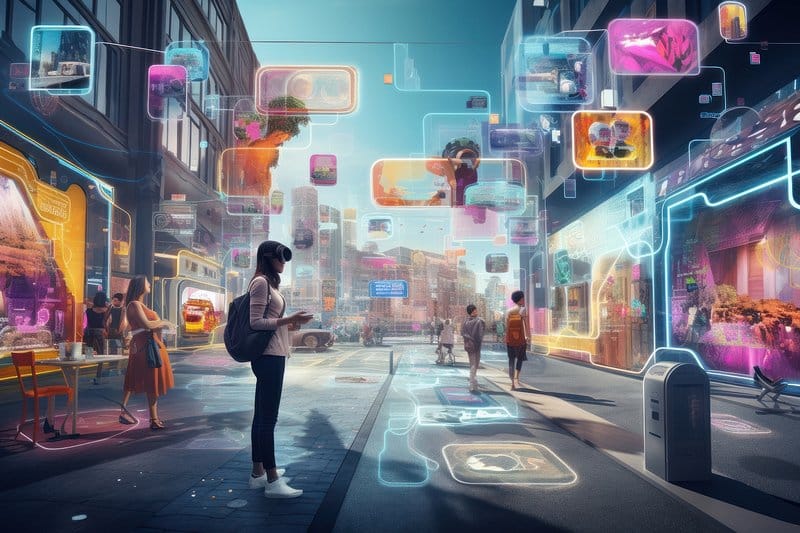
The concept of the Metaverse a persistent, shared, 3D virtual space is rapidly moving from science fiction to a tangible commercial reality. As user engagement shifts from passive scrolling on 2D screens to immersive interaction within virtual environments, so too must advertising paradigms. Metaverse advertising represents the next multi-billion dollar opportunity for brands seeking deeper consumer connection and novel monetization streams.
This transition requires a fundamental shift in thinking: advertising must evolve from disruptive interruption to seamless, integrated virtual experiences. This article dives deep into the architecture, psychology, best practices, and monetization potential of advertising within these burgeoning digital frontiers, providing a comprehensive blueprint for brands aiming to dominate this new space.
Understanding the Metaverse Advertising Ecosystem
To monetize effectively, one must first dissect the layers of the virtual world where value is exchanged. The Metaverse is not a single entity but an ecosystem of interconnected platforms, each offering unique advertising real estate.
A. Platform Differentiation and Landscape
The advertising opportunities vary drastically depending on the underlying technology and user demographic of the virtual world.
- Gaming Worlds (e.g., Roblox, Fortnite): These platforms are already adept at in-game advertising (IGA). Opportunities include branded content integration (e.g., sponsored quests), virtual merchandise sales (NFT wearables), and hostings of massive virtual concerts. The focus here is on experiential marketing aligned with gameplay.
- Decentralized Worlds (e.g., Decentraland, The Sandbox): These blockchain-based metaverses allow users to own virtual land as Non-Fungible Tokens (NFTs). Advertising here involves buying or leasing digital land parcels to build virtual flagship stores, host events, or display dynamic digital billboards (billboards often bought as NFTs). Digital scarcity drives asset value here.
- Enterprise/Social Metaverses: Platforms focusing on remote work, education, or professional networking offer opportunities for targeted B2B advertising, virtual trade shows, and sponsored meeting spaces.
B. Key Advertising Formats in Virtual Environments
The traditional banner ad is largely obsolete in immersive spaces. New, high-impact formats are emerging:
- In-World Placement (Static/Dynamic): Digital billboards placed strategically within high-traffic virtual areas, offering brand visibility analogous to real-world signage but with the ability to dynamically change content based on user demographics or time of day.
- Product Placement and Integration (Immersive Branding): The most powerful format. This involves subtly weaving the brand’s product into the virtual experience a character drinking a specific branded virtual beverage, or a specific car model being the only one available for test driving in a simulation. This enhances brand recall significantly.
- Avatar Customization and Wearables: Selling or gifting branded digital assets (clothing, accessories, skins) as NFTs or in-game purchases. This transforms the user’s avatar their digital identity into a walking advertisement.
- Branded Virtual Experiences (VBEs): Developing entire micro-worlds or dedicated zones around a brand. Examples include Nike’s Nikeland or Gucci Vault experiences, which focus on engagement and storytelling rather than direct sales pitches.
C. The Role of Non-Fungible Tokens (NFTs) in Advertising
NFTs are revolutionizing ownership and loyalty programs within the Metaverse.
- Token-Gated Access: Using NFTs as digital keys to unlock exclusive content, special virtual events, early access to physical product drops, or dedicated virtual brand lounges, strengthening customer loyalty.
- Programmable Advertising: NFTs can be coded to deliver dynamic advertising based on their utility or the user’s wallet activity, offering hyper-personalization.
- Digital Asset Royalties: Brands can earn ongoing royalties every time a piece of branded virtual merchandise (an NFT) is resold on a secondary marketplace, creating a perpetual revenue stream from a single campaign launch.
The Psychology of Immersive Engagement
The shift to 3D environments alters consumer psychology, demanding a marketing approach based on immersion and presence rather than simple visual exposure.
A. Presence and Embodiment
The feeling of “being there” (presence) in a virtual space creates much stronger emotional and memory encoding than viewing content on a flat screen. When consumers interact with a brand as their avatar, the connection is embodied. This strengthens brand association.
B. Interactivity Over Interruption
Users in the Metaverse are active participants, not passive viewers. Effective advertising must be intrinsically valuable or entertaining to warrant attention. Ads that function as interactive mini-games, solvable puzzles, or valuable utility tools see significantly higher engagement rates. Opt-in advertising models are favored.
C. Social Proof and Digital Identity
In virtual worlds, one’s identity and social circle are paramount. Seeing an influencer or friend engaging with a branded virtual item provides powerful social proof. Brands leverage this by targeting key opinion leaders (KOLs) within specific virtual communities to drive adoption of their virtual goods or experiences.
D. Bridging Physical and Digital (Phygital Marketing)
The most sophisticated campaigns connect the virtual experience back to the physical world, creating a holistic brand loop.
- Virtual to Physical Redemption: Purchasing a branded NFT wearable grants the owner a discount or early access code for the physical counterpart product.
- Physical Triggers: Scanning a QR code on a physical product may unlock an exclusive digital twin NFT or open a portal to the brand’s Metaverse headquarters.
Measurement, Attribution, and Monetization Metrics
Traditional digital metrics like Click-Through Rate (CTR) often fail to capture the true value generated in immersive environments. New performance indicators are necessary.
A. Evolving Key Performance Indicators (KPIs)
- Time Spent in Experience (TSE): Measuring the duration users willingly spend interacting with a brand’s dedicated virtual space or branded content. This is a primary indicator of engagement quality.
- Avatar Interaction Rate (AIR): Tracking how often avatars physically interact with a virtual advertisement or product display (e.g., touching a virtual screen, picking up a virtual object).
- Virtual Conversion Rate (VCR): Measuring the percentage of visitors who complete a desired action within the Metaverse, such as attending an event, signing up for a newsletter delivered digitally, or purchasing a virtual item.
- Digital Asset Velocity: For NFT-based campaigns, tracking the speed and frequency of secondary market sales, which signals high demand and perceived long-term value of the branded asset.
B. Attribution Challenges and Solutions
Attributing a physical sale back to a specific Metaverse impression is complex, especially with decentralized platforms.
- Wallet and ID Linking: Utilizing secure, consent-based mechanisms to link a user’s anonymous Metaverse wallet ID to known customer data (if applicable) or to track subsequent purchases made in the brand’s physical e-commerce site following a VBE visit.
- Direct Sales within the Metaverse: When the transaction occurs directly within the virtual environment (selling an NFT or in-game currency), attribution is clean, becoming a direct revenue line item.
C. Monetization Avenues for Platform Owners and Creators
For the builders of the Metaverse, revenue generation is multifaceted:
- Land Leasing and Sales: The most direct revenue, where digital real estate is sold as a finite asset or leased to advertisers for specific campaign durations.
- Transaction Fees (Royalties): Earning a small percentage fee on every sale or resale of digital goods and advertising spaces transacted on the platform’s native blockchain/marketplace.
- Sponsored Content Partnerships: Creating bespoke, high-production value experiences in partnership with global brands, commanding premium fees for creative development and hosting.

Technological Hurdles and Future Development
The full potential of Metaverse advertising hinges on overcoming significant technological and ethical barriers.
A. Interoperability Standards
Currently, an avatar skin purchased in Platform X usually cannot be worn in Platform Y. True Metaverse advertising requires universal interoperability standards (akin to how web browsers handle HTML). Without this, advertising investments remain siloed within specific ecosystems. Industry bodies are pushing for standardized protocols like VRM or USD (Universal Scene Description).
B. Latency and Hardware Accessibility
High-fidelity, real-time 3D rendering demands significant processing power and low latency. Current mass adoption is hampered by the high cost and computational demands of high-end VR/AR headsets. Advertising must remain accessible via lower-spec devices (PCs, mobile AR) until hardware costs drop substantially.
C. Data Governance and Ethical Boundaries
The intimate nature of data collection (biometric data from VR headsets, persistent avatar behavior) raises massive ethical questions.
- Consent Mechanics: Developing clear, understandable mechanisms for users to consent to data collection specific to their immersive activities, moving beyond simple “Accept All Cookies” agreements.
- Regulation of Virtual Speech: Defining boundaries for acceptable advertising content and behavior within persistent virtual spaces to prevent harassment or exposure to inappropriate material by minors.
D. The Evolution of Spatial Computing
The convergence of Augmented Reality (AR) and Virtual Reality (VR) will create a spectrum of advertising opportunities.
- AR Overlays: In the physical world, AR allows digital ads to be mapped onto real-world objects (e.g., a virtual billboard appearing on a physical wall when viewed through a phone or smart glasses). This is crucial for “phygital” integration.
- Haptic Feedback Integration: Future ads may incorporate haptic technology, allowing users to feel the texture of a virtual fabric or the impact of a branded virtual item, deepening sensory engagement.
Strategic Framework for Brand Entry
Brands must approach the Metaverse not as a channel, but as a new dimension for brand building.
A. Define the Purpose (Storytelling vs. Sales)
Is the goal immediate virtual product sales, or is it long-term brand affinity and cultural relevance? Early movers often succeed by focusing on storytelling and cultural impact rather than immediate transactional volume.
B. Partner Strategically with Platform Builders
Direct partnerships with established Metaverse platforms (or emerging ones) offer early access to beta features, preferential land locations, and technical support crucial for novel ad executions.
C. Employ Cross-Disciplinary Creative Teams
Metaverse creative requires expertise that bridges gaming development, traditional advertising, user experience (UX) design, and blockchain technology. A successful campaign often requires 3D modelers and Unity/Unreal developers as much as copywriters.
D. Iterate Based on Real-Time Virtual Analytics
Because the environment is so dynamic, campaigns must be agile. Utilize the advanced metrics (TSE, AIR) to rapidly iterate creative assets, placement strategies, and interaction points within the virtual world weekly, not quarterly.

Conclusion
Metaverse advertising is fundamentally about building experiences that users actively seek out, rather than interruptions they tolerate. It is a convergence of gaming, social media, e-commerce, and digital ownership, governed by blockchain principles. Brands that master the art of seamless integration and respect the principles of user presence and digital identity will unlock significant, measurable revenue streams, transforming their marketing spend from a cost center into a powerful engine for virtual asset creation and perpetual customer engagement. The race is on to define the standards for this immersive commerce landscape.