
In the dynamic digital landscape of 2025, podcasting has transcended its niche origins to become a powerful and intimate form of media. It is a world where anyone with a microphone and a story can find an audience, building a community and a brand from the ground up. The beauty of podcasting lies in its accessibility and its unique ability to forge a deep, personal connection with listeners. But for many aspiring creators, the world of podcasting can seem daunting, a complex maze of technical jargon, expensive equipment, and strategic promotion. This comprehensive guide is designed to demystify the entire process, providing a clear and actionable roadmap to launching a successful podcast. We will take you on a journey from a raw idea to a polished, published show, exploring the essential steps of planning, production, and promotion. By the end of this article, you will have the knowledge and confidence to transform your passion into a powerful voice that resonates with an audience.
The Foundation of Planning Your Podcast
The most successful podcasts are built on a solid foundation of a well-defined concept and a clear understanding of the target audience. The planning phase is arguably the most critical step, as it will guide every decision you make moving forward.
A. Defining Your Niche and Audience
Don’t try to be everything to everyone. The most compelling podcasts have a specific niche and a well-defined audience.
- Identify Your Passion: What topic are you genuinely passionate about? What could you talk about for hours without getting bored? Your passion will be the fuel that keeps you going when the challenges arise.
- Find Your Niche: Once you have a broad topic, find a specific niche within it. Instead of a general “sports” podcast, consider a show focused on “the history of football rivalries” or “fantasy sports for beginners.” A niche will help you stand out in a crowded market and attract a dedicated following.
- Understand Your Audience: Who are you trying to reach? What are their interests, their pain points, and their humor? Knowing your audience will help you tailor your content, tone, and format to their needs.
B. Developing Your Podcast’s Format and Structure
The format of your show is the blueprint for every episode. It provides consistency and helps your audience know what to expect.
- Choose a Format: There are several common podcast formats, and you can even mix and match them.
- Interview: You interview a new guest on each episode. This is great for networking and for providing a variety of perspectives.
- Solo Show: You are the only voice on the podcast. This is perfect for sharing personal stories, giving expert advice, or providing commentary.
- Narrative/Storytelling: You tell a well-researched, compelling story over one or multiple episodes. This requires strong writing and a narrative arc.
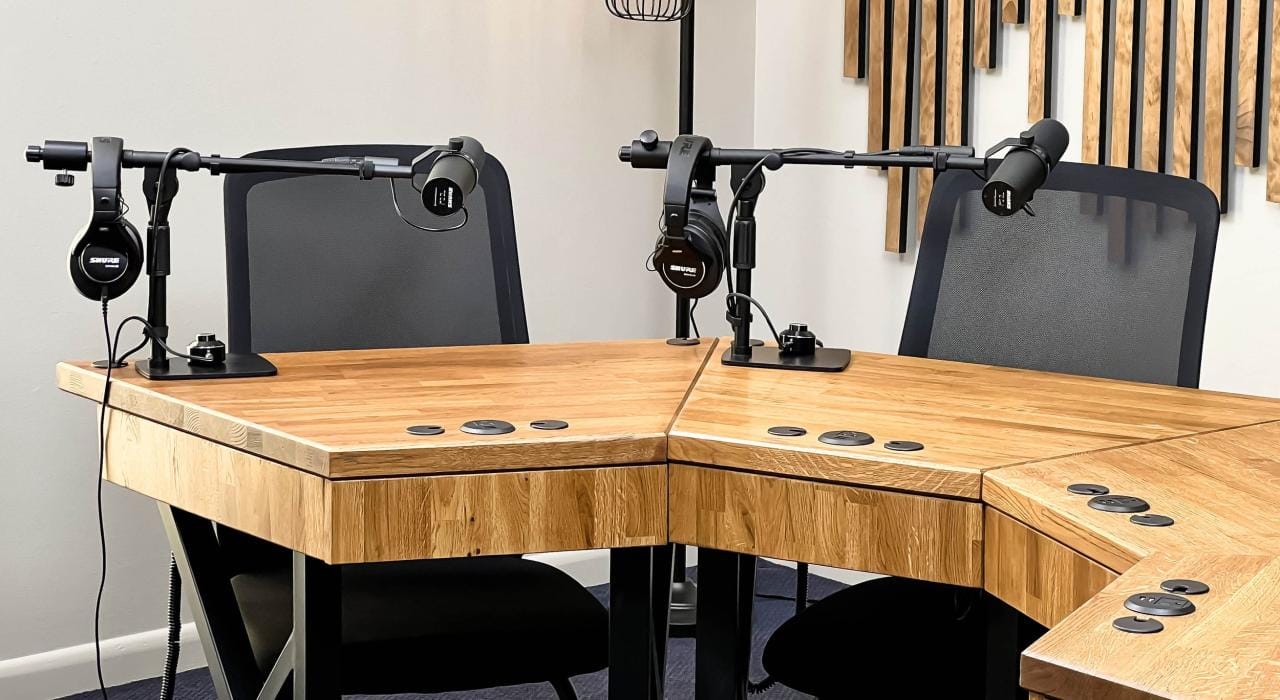
- Panel Discussion: You and a few co-hosts discuss a topic. This is a great way to have a lively conversation and provide multiple viewpoints.
- Create a Show Structure: Every episode should have a clear beginning, middle, and end. A typical structure might include an intro, a content segment, a transition, a call-to-action, and an outro. Having a consistent structure makes the production process more efficient and creates a professional feel.
C. Choosing the Right Name and Artwork
Your podcast’s name and artwork are its first impression. They need to be professional, memorable, and relevant to your content.
- A Memorable Name: The name should be clear, concise, and easy to spell. It should also give potential listeners a hint about what the show is about.
- Professional Artwork: The artwork is your podcast’s visual identity. It needs to be high-resolution and visually compelling, as it will be displayed on all podcast platforms. Consider hiring a graphic designer to create a professional image that stands out.
The Production
The production phase is where your idea comes to life. It involves everything from recording your audio to editing and mixing it.
A. The Equipment
You don’t need a professional recording studio to produce a great podcast, but a few key pieces of equipment can make all the difference.
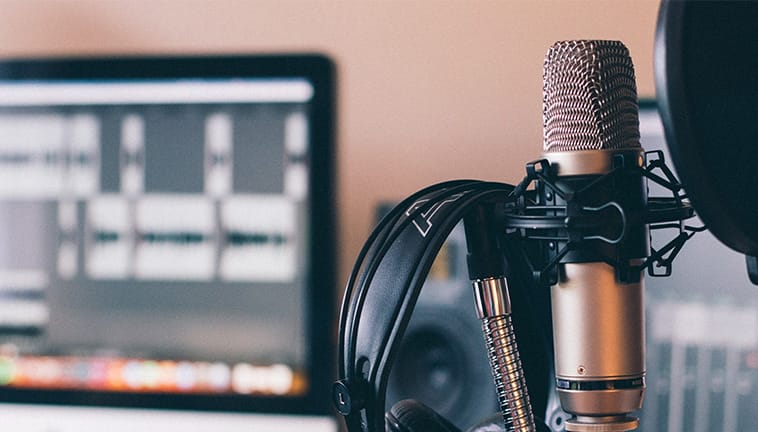
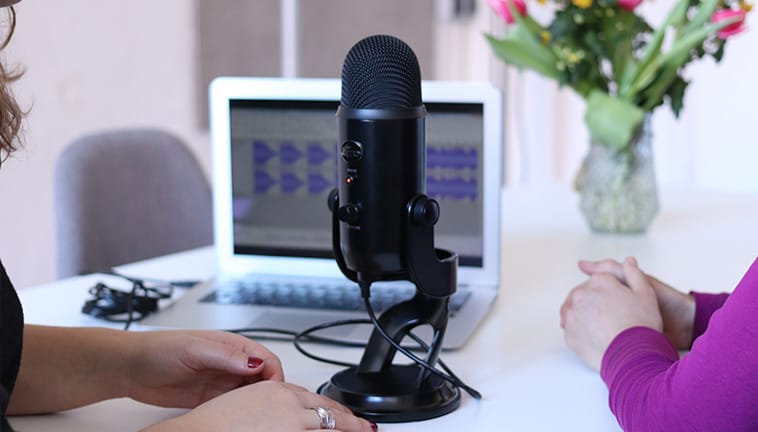
- A Good Microphone: This is the most important piece of equipment you will buy. A quality microphone (like a Rode NT-USB or a Blue Yeti) will ensure your voice is clear and crisp. A good microphone is a long-term investment that will pay off in the quality of your sound.
- Headphones: Headphones are essential for monitoring your audio as you record. They allow you to hear exactly what your microphone is picking up, so you can adjust your positioning or eliminate any unwanted sounds.
- A Pop Filter and Mic Stand: A pop filter sits in front of your microphone and helps to reduce harsh “p” and “b” sounds. A mic stand or boom arm holds your microphone steady and allows you to position it correctly.
B. Recording and Editing
This is where you capture and refine your content.
- Choose a Recording Environment: Your recording environment is just as important as your microphone. Choose a quiet room with soft surfaces (like rugs, curtains, and pillows) to absorb sound and prevent echoes. Avoid rooms with hard surfaces and a lot of empty space.
- Use Good Recording Software: Use a digital audio workstation (DAW) like Audacity (free), GarageBand (free for Mac), or Adobe Audition (paid). These programs allow you to record, edit, and mix your audio.
- Master the Art of Editing: Editing is a critical step that can transform raw audio into a professional episode. It involves removing long pauses, cutting out filler words (“um,” “like”), and mixing in music and sound effects.
The Launch and Growth
Once your episode is produced, it’s time to get it in front of an audience. A successful launch requires a strategic approach to distribution and promotion.
A. Choosing a Podcast Host
A podcast host is a service that stores your audio files and generates a unique RSS feed. This RSS feed is what allows podcast platforms (like Apple Podcasts and Spotify) to find your show and make it available to listeners.
- Select a Reputable Host: Choose a host with good customer support, reliable storage, and clear analytics. Some popular options include Libsyn, Buzzsprout, and Anchor.
- Understand Your RSS Feed: The RSS feed is the most important piece of technical information for your podcast. It is an XML file that contains all the metadata for your show and a link to your audio files. You will submit this RSS feed to all the major podcast directories.
B. Distributing Your Podcast
Once you have a podcast host and an RSS feed, you can submit your show to the major directories.
- The Big Players: The most important platforms to submit to are Apple Podcasts and Spotify. These two platforms account for a large majority of all podcast listening.
- Other Directories: Don’t stop there. Submit your show to Google Podcasts, Amazon Music, Stitcher, and other directories. The more places your show is available, the more likely new listeners are to find it.
C. Promoting Your Show
Simply publishing an episode is not enough; you need to actively promote your show to grow your audience.
- Leverage Social Media: Use social media to promote new episodes. Create short audio clips or video snippets to give your audience a taste of the show. Engage with your followers and build a community.
- Cross-Promotion: Find other podcasters in your niche and offer to cross-promote each other’s shows. You can also be a guest on other podcasts to introduce your show to a new audience.
- Create a Website: A dedicated website for your podcast is a great way to build a home base for your brand. You can use it to host show notes, transcriptions, and a call-to-action for your audience.
Building a Sustainable Podcast
Podcasting is a marathon, not a sprint. The most successful shows are built over time through consistency, quality, and a deep connection with the audience.
A. Consistency Is Key
Regularly publishing new episodes is crucial for retaining your audience and attracting new listeners. Choose a publishing schedule that you can stick to, whether it’s weekly, bi-weekly, or monthly.
B. Engaging with Your Audience
Your listeners are your most valuable asset. Encourage them to leave reviews, ask questions, and provide feedback. Respond to their emails and comments, and consider featuring their questions on your show. Building a community around your podcast will create a loyal and dedicated following.
C. Monetization
Once you have an established audience, you can begin to explore monetization options.
- Sponsorships and Ads: You can sell ad space to brands that are relevant to your audience. This is often the most common way for podcasters to make money.
- Affiliate Marketing: Promote products or services that you genuinely use and believe in, and earn a commission on every sale you generate.
- Direct Support: You can ask your audience for direct financial support through platforms like Patreon or Ko-fi. This allows your most dedicated listeners to support the show and often comes with exclusive perks.
- Premium Content: Offer premium content—like bonus episodes or behind-the-scenes content—to paying subscribers.
Conclusion
Podcasting is a journey of creativity, passion, and persistence. It is a powerful medium that allows you to share your voice with the world and build a community around a shared interest. This guide has provided you with the essential knowledge to begin that journey, from the critical planning phase to the technical details of production and the strategic art of promotion. Remember that the most important element of any great podcast is a compelling story and a genuine voice. The rest is just a matter of learning the tools and the process.
The barriers to entry in podcasting are lower than ever, but the key to success is a commitment to consistency, quality, and a deep respect for your audience. By following the steps outlined in this guide, you can move from a curious observer to a confident creator, ready to take your place in the vibrant and ever-growing world of audio content. The story you have to tell is waiting for a microphone, and the audience is waiting to listen.